Watercolor Girl Elephant Clipart: An Embroidery Review
When I first opened the file for the Watercolor Girl Elephant Clipart, my immediate reaction was one of cautious optimism. As a designer who has digitized and stitched out countless nursery themes, I know that translating the soft, bleeding edges of watercolor illustrations into a machine embroidery design is one of the most difficult technical challenges we face. This particular illustration captures a whimsical, tender mood that is perfect for the current market demand in personalized gifts and boutique baby items. However, before you load this digital embroidery file into your machine or list it in your Etsy shop, we need to have a realistic conversation about how this aesthetic translates from screen to fabric.
Translating Soft Art to Stitched Reality
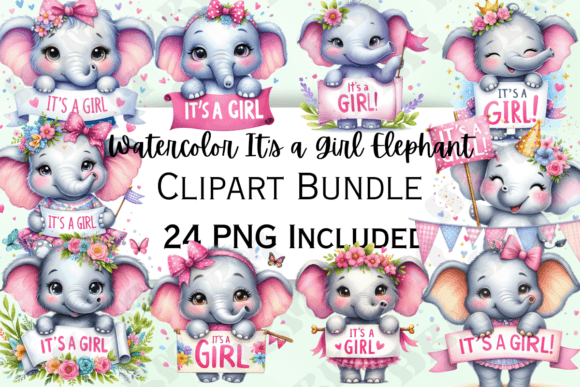
The visual personality of this Watercolor Girl Elephant Clipart is undeniably sweet. It features the organic, fluid lines typical of hand-painted illustrations, which creates an immediate emotional connection with buyers looking for handmade products. In the realm of digital product previews and printable mockups, this design is a showstopper. It looks professional, artistic, and high-value. But as embroiderers, we know that thread does not behave like water pigment.
For this design to succeed as a finished product, the digitizing must respect the source material without compromising structural integrity. If you are using this as a base for custom apparel or nursery decor, pay close attention to how the color blending is handled. True watercolor effects in embroidery require complex layering of fill stitches with varying densities and thread colors. If the digitization relies too heavily on dense satin stitches to create outlines, you risk losing that airy, painted feel. Conversely, if the running stitches are too sparse in an attempt to mimic transparency, the design may lack definition on textured fabrics. When evaluating this asset for your craft business, verify that the stitch density balances artistic expression with durability.
Real-World Application: The Custom Tote Bag Test
To truly evaluate the viability of this Watercolor Girl Elephant Clipart, I mentally placed it in a specific production scenario: a custom embroidered tote bag for a client’s daughter’s birthday. Tote bags are a staple for small shop products because they offer a relatively flat stitching surface and high perceived value. However, canvas and linen textures can be unforgiving.
In this real-life application, the success of the design hinges on contrast and stabilization. The watercolor aesthetic often utilizes pastel tones and lighter shading. On a natural unbleached canvas tote, these subtle thread colors might disappear or look muddy. For this project to work, I would recommend testing the design on a scrap of the exact bag material first. You may find that you need to add a light underlay or adjust the thread colors to be slightly more saturated than the original digital illustration suggests. This ensures the elephant and the girl remain distinct and recognizable after stitching. Furthermore, because tote bags endure significant wear and washing, the stitch type matters immensely. A design relying solely on delicate running stitches for the watercolor effect might snag or pull apart over time. Ensuring there is adequate anchoring within the fill stitches is non-negotiable for commercial embroidery intended for daily use.
Navigating Fabric Limitations and Hoop Constraints
While this illustration is versatile, it demands careful placement. Not every garment or textile is a suitable canvas for the intricate details inherent in watercolor-style embroidery files. Here is where practical judgment must override creative enthusiasm:
- Stretchy Fabrics: Applying this design to ribbed knit sweatshirts or stretchy baby onesies requires extreme caution. The multiple thread changes and potential density variations needed to replicate watercolor shading can cause puckering on unstable knits. Always use a high-quality cut-away stabilizer and consider a topping to prevent stitches from sinking into the fabric pile.
- Small Hoop Sizes: Resist the urge to shrink this design down to fit a 4x4 hoop if the original proportions are larger. Watercolor designs rely on gradient transitions; reducing the size compresses these gradients into indistinguishable blobs of thread. If you must resize, do so only within the safe limits of your software to maintain stitch integrity.
- Dark Fabrics: This specific aesthetic usually shines best on white, cream, or pale backgrounds. Stitching light watercolor tones onto navy or black fabric often results in a chalky appearance that lacks the luminosity of the original art. If a dark background is required, you may need to edit the design assets to include a white underlay base, essentially creating an applique foundation for the colors to pop against.
- Curved Surfaces: Avoid placing this detailed illustration across seams or on highly curved areas like cap fronts. The distortion caused by the curve will disrupt the delicate alignment needed for the watercolor illusion, resulting in a disjointed image.
Commercial Viability and Customer Trust
For Etsy sellers and creative entrepreneurs, the Watercolor Girl Elephant Clipart represents more than just a pretty picture; it is a business asset. Customers purchasing personalized gifts or nursery decor have high expectations for quality. They can distinguish between a cheap, auto-digitized patch and a thoughtfully crafted piece of embroidery. Using this illustration effectively signals professionalism.
However, trust is built on consistency. If your listing photos feature a crisp, vibrant digital rendering but the physical embroidered patch arrives looking dense and stiff, you risk negative reviews. Transparency is key. Use accurate photos of actual stitch-outs in your listings rather than relying solely on digital mockups. Show the customer exactly how the thread colors interact with the fabric texture. This manages expectations and highlights the unique, tactile nature of the handmade product. Additionally, always confirm the licensing terms associated with this clipart. Ensure you have the right to sell finished embroidered items or if the license restricts usage to personal projects only. Protecting your business means respecting intellectual property just as much as mastering stitch density.
Essential Pre-Stitch Checklist for Makers
Before you commit this design to a final product or add it to your inventory of design assets, run through this practical evaluation process:
- Verify File Compatibility: Confirm the embroidery file format matches your machine. Do not assume conversion software will perfectly preserve the nuanced color stops required for watercolor effects.
- Test Stitch on Target Material: Never skip this step. What works on broadcloth may fail on minky or terry cloth. Adjust tension and stabilizer based on the test run.
- Audit Thread Colors: Compare your physical thread inventory against the design’s color chart. Watercolor blends often require specific shades. Substituting a bright pink for a dusty rose can completely alter the intended mood.
- Check Licensing for Commercial Use: Re-read the terms. Can you use this for holiday embroidery batches? Can you put it on aprons for sale? Clarify this before investing production time.
- Evaluate Washability: If making baby clothes or kitchen towels, wash the test sample. Watercolor-style fills can sometimes be less durable than solid satins. Ensure the design holds up to the end-use requirements.
The Watercolor Girl Elephant Clipart offers beautiful potential for apparel decorators and hobbyists alike. It bridges the gap between fine art illustration and textile craft, provided it is treated with technical respect. By understanding the interplay between stitch density, fabric choice, and color theory, you can transform this digital asset into a cherished, tangible keepsake that delights clients and strengthens your brand reputation. Approach it with the eye of a maker, not just a consumer, and your results will reflect that expertise in every stitch.