Chess Horse Watercolor Clipart 14: An Embroidery Review
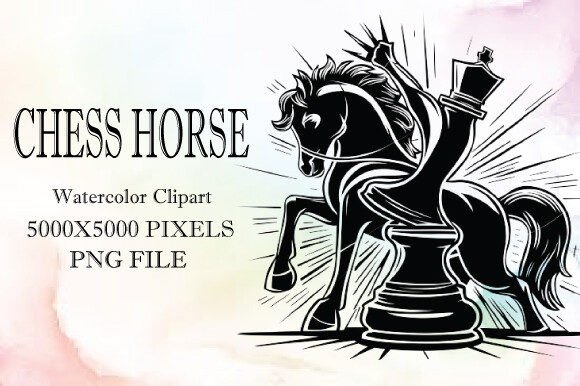
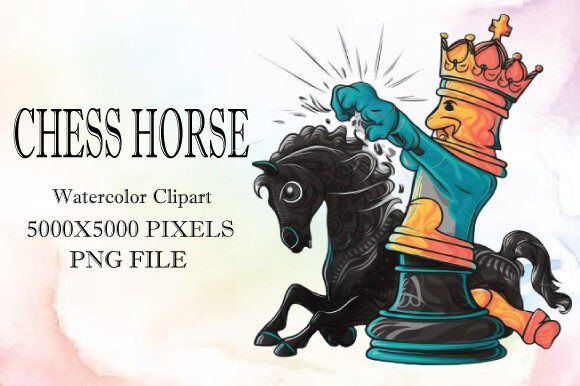
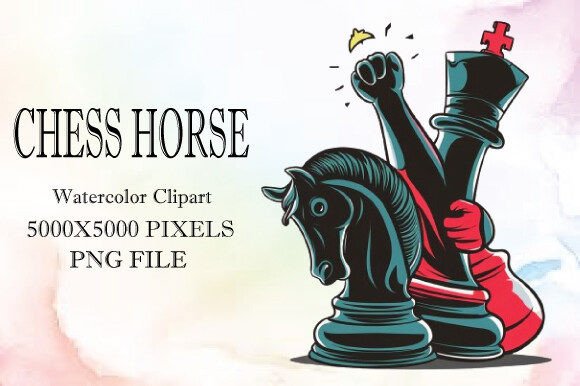
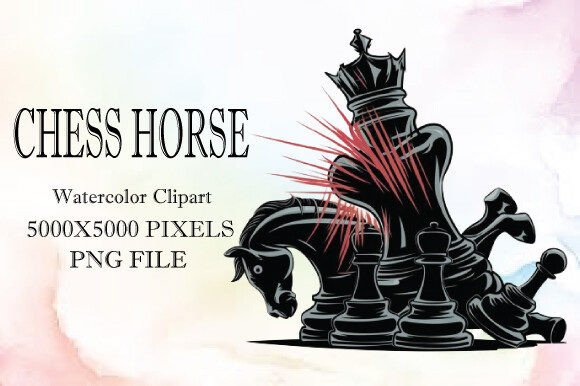
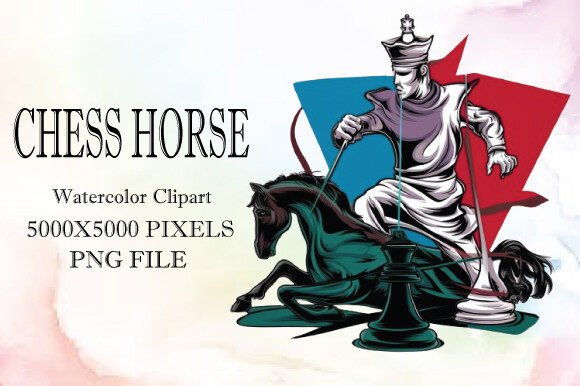
When I first opened the file for Chess Horse Watercolor Clipart 14, I wasn't just looking at a digital illustration; I was mentally mapping out stitch paths. As an embroidery designer who creates products for both personal keepsakes and commercial sale, my initial reaction to any artwork is strictly practical. Does this translate from screen to fabric? This particular piece captures a whimsical, painterly aesthetic that feels distinct from the rigid vector art often found in machine embroidery design libraries. The mood is nostalgic yet playful, suggesting it belongs on items meant to be cherished rather than mass-produced utility goods. However, translating watercolor gradients into thread requires careful planning, and this review breaks down exactly how Chess Horse Watercolor Clipart 14 performs when moved from a digital canvas to a physical hoop.
Translating Painterly Details to Stitch
The primary challenge with using Illustrations like this for embroidery is maintaining the softness of the watercolor effect without creating a bulletproof patch of dense thread. In my assessment, Chess Horse Watercolor Clipart 14 relies heavily on color blending. For a successful embroidery project, you cannot simply use a standard fill stitch. You will likely need to utilize thread blending techniques or specialized watercolor-style digitizing that uses varying stitch lengths and directions to mimic brush strokes.
If you are planning to use this as a direct stitch-out, pay close attention to the transition areas. A flat satin stitch will kill the artistic vibe of this design. Instead, look for or create a digitized version that utilizes running stitch overlays on top of lighter fill stitches to create depth. This approach preserves the "hand-painted" look that makes this clipart special. For craft business owners selling finished products, this distinction matters. Customers can tell the difference between a generic cartoon horse and a thoughtfully rendered artistic piece. The visual appeal of Chess Horse Watercolor Clipart 14 lies in its texture, and your stitching must honor that complexity to maintain product value.
Real-World Application: The Nursery Tote Test
To truly evaluate this design, I considered a specific real-life scenario: creating a personalized gift tote bag for a new mother attending a baby shower. I chose a natural cotton canvas tote because the fabric texture complements the organic feel of the artwork. In this context, Chess Horse Watercolor Clipart 14 shines as a centerpiece. The whimsical nature of the chess horse theme bridges the gap between nursery decor and sophisticated mom gear.
During the mockup phase, I realized this design works best when scaled to at least a 5x7 hoop size. Going smaller risks losing the subtle shading that defines the watercolor style. On the canvas tote, the design served as a beautiful anchor for custom text. I paired it with a simple serif font in a charcoal grey thread to ground the airy colors of the horse. For Etsy sellers or handmade shop owners, this combination creates a high-perceived-value item. It doesn't look like a cheap iron-on; it looks like bespoke art. If you are using this for sweatshirt embroidery, I recommend placing it on the chest or sleeve rather than center-back, as the intimate scale of the illustration invites closer inspection.
Fabric Selection and Stabilizer Strategy
Not every fabric is a friend to watercolor-style embroidery. Based on my experience with similar design assets, here is where you should exercise caution:
- Stretchy Fabrics: Knits and performance wear can distort the delicate shading of Chess Horse Watercolor Clipart 14. If you must use it on a t-shirt or baby onesie, use a cut-away stabilizer and consider a light topping to prevent stitches from sinking into the fabric pile.
- Dark Fabrics: Watercolor effects rely on light passing through layers. On black or navy fabric, the design may disappear unless you stitch a white underlay base first. Always test on a scrap of the exact dark fabric before committing to a final product.
- Textured Surfaces: While linen and canvas are excellent, heavy burlap or thick terry cloth can obscure fine details. For tea towels or blankets, ensure the weave is tight enough to support detailed stitch work.
- Curved Items: Caps and curved pouches are risky. The distortion inherent in hooping curved surfaces can warp the proportions of the horse. Flat hoops are strongly recommended for this specific illustration style.
Stabilizer choice is non-negotiable here. Because watercolor digitizing often involves multiple needle penetrations in the same area to blend colors, fabric stability is paramount. I recommend a medium-weight cut-away for apparel and a tear-away for stable woven goods like pillow covers. Always verify your stabilizer supports the stitch density required to render the gradients effectively.
Commercial Viability and Brand Consistency
For creative entrepreneurs and small shop product developers, consistency builds trust. Chess Horse Watercolor Clipart 14 has a distinct personality that pairs well with other botanical, storybook, or vintage-inspired design assets. If your brand focuses on modern minimalism or bold geometric patterns, this design might feel out of place. However, for businesses specializing in cottagecore aesthetics, children’s boutique items, or literary-themed merchandise, it is a strong contender.
When listing finished products online, your printable mockup needs to accurately represent the stitched texture. Do not use the raw digital clipart as your product photo. Customers need to see how the thread interacts with the fabric. Showcasing the actual embroidery file output in natural lighting helps manage expectations regarding color variation and texture. This transparency reduces returns and increases buyer engagement. Furthermore, if you offer this as part of a bundle or a customizable option, clearly communicate which elements are fixed and which can be personalized. The versatility of this design allows for name additions or date stamping, making it ideal for holiday embroidery or anniversary gifts.
Critical Pre-Stitch Checklist for Makers
Before you load Chess Horse Watercolor Clipart 14 into your machine for a client order or shop stock, run through this practical checklist to avoid costly mistakes:
- Verify Licensing: Confirm whether your purchase includes commercial rights for finished products versus digital redistribution. Never assume a digital embroidery file allows for unlimited resale of the design itself.
- Check Stitch Density: Open the file in your editing software. If the density is too high for your chosen fabric, reduce it slightly or add more trims to prevent puckering.
- Thread Color Matching: Watercolor designs often require specific thread shades to achieve the gradient. Compare your physical thread chart against the digital file. Generic red won't work if the design calls for a dusty rose.
- Test on Scrap: Never skip this step. Stitch out the design on the exact fabric and stabilizer combo you plan to use. Inspect the registration of overlapping colors.
- Evaluate Small Details: Zoom in on the eyes, mane, and facial features. If they are lost at your intended hoop size, either increase the size or choose a different design. Clarity equals professionalism.
- Wash Test: If this is for baby embroidery or kitchen linens, wash and dry your test swatch. Watercolor fills can sometimes pull or gap after laundering if not digitized with shrinkage in mind.
Ultimately, Chess Horse Watercolor Clipart 14 offers a beautiful opportunity to elevate your embroidery portfolio beyond standard logos and block lettering. It demands a bit more technical attention regarding stabilizer and thread selection, but the payoff is a handmade product that feels genuinely artistic. Whether you are crafting a personalized gift for a loved one or stocking your Etsy shop with unique nursery decor, treating this illustration with the respect due to fine art will yield results that delight customers and showcase your skill as a maker. Always let the fabric and the thread guide your final decisions, ensuring the digital vision survives the journey to the physical world.