Retro Car Watercolor Clipart 18: An Embroidery Review
First Impressions: Translating Paint to Thread
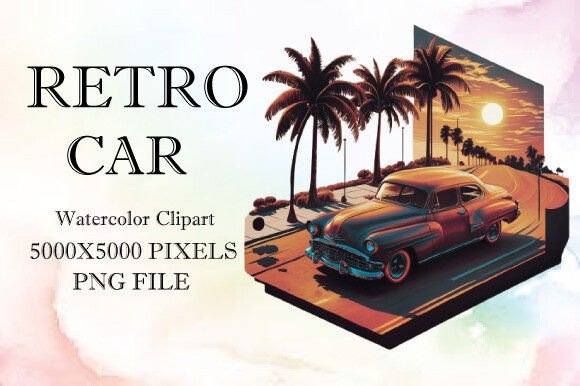
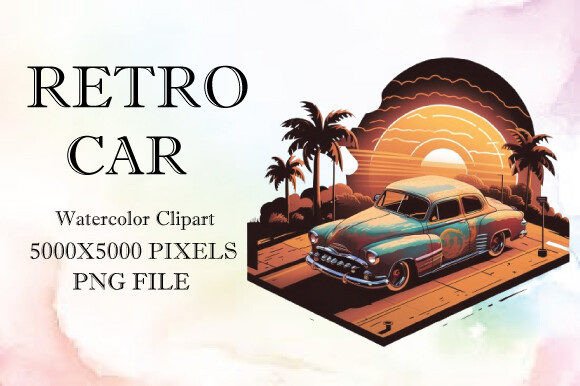
When I first opened the file for Retro Car Watercolor Clipart 18, my immediate reaction was one of cautious optimism. As an embroidery digitizer and product reviewer, I have seen countless beautiful digital illustrations that fail miserably when converted into stitches. Watercolor, by its very nature, is fluid, transparent, and unpredictable—qualities that are antithetical to the structured, layered reality of machine embroidery. However, this specific illustration stands out because of its distinct silhouette and balanced color blocking. The vintage aesthetic provides a natural framework for stitching; unlike modern abstract art, retro automotive designs rely on defined lines and recognizable shapes that translate exceptionally well to thread.
The mood of Retro Car Watercolor Clipart 18 is undeniably nostalgic yet fresh. It avoids the muddy, over-saturated look that often plagues digital-to-embroidery conversions. Instead, it offers clear separation between the vehicle’s body, the chrome accents, and the background washes. For a designer, this visual clarity is gold. It suggests that the resulting embroidery project will retain the charm of the original artwork without looking like a dense, bulletproof patch. The personality here is playful but refined, making it suitable for both adult custom apparel and high-end nursery decor rather than just generic craft fair items.
Real-World Application: The Custom Tote Bag Test
To truly evaluate this asset, I mentally placed it into a current client commission: a series of canvas tote bags for a boutique car show giveaway. This scenario tests the design's versatility because canvas is unforgiving, and promotional items require immediate visual impact. In this context, Retro Car Watercolor Clipart 18 performs admirably as a centerpiece tote bag design. The horizontal orientation typical of automotive illustrations fits perfectly within standard rectangular hoops, minimizing fabric waste and re-hooping time.
For this specific application, I envision utilizing the watercolor elements as light fill stitch areas with reduced density to mimic the transparency of paint, while using crisp satin stitch or running stitch outlines to define the car’s edges. This combination prevents the design from becoming too heavy for a functional bag. Customers at a craft fair or Etsy shop respond to texture; they want to see the fabric grain through the embroidery. Because this clipart respects negative space, it allows the natural canvas texture to contribute to the final aesthetic. If you are an Etsy seller creating personalized gifts, this design also leaves ample room above or below for monogramming or event dates without feeling cluttered.
Navigating Fabric Challenges and Hoop Limitations
While the design is versatile, it requires strategic planning regarding where it should not be used. Watercolor-style embroidery relies heavily on color blending and subtle shading, which can disappear entirely on dark fabrics. Unless you plan to stitch a white underlay base—which significantly increases stitch count and stiffness—Retro Car Watercolor Clipart 18 is best reserved for light to medium-toned textiles. On black sweatshirts or navy caps, the delicate pastel nuances will simply vanish, leaving only harsh outlines.
I would also advise caution when applying this to highly textured fabrics like terry cloth or thick fleece. The soft transitions characteristic of watercolor digitizing can get lost in the pile of the fabric. Similarly, stretchy knits present a challenge. The varying stitch density required to simulate paint washes can cause puckering if the stabilizer choice isn't perfect. For baby clothes or lightweight tees, ensure you are using a high-quality cut-away stabilizer and potentially a topping to keep the stitches from sinking. Furthermore, check your hoop size limitations before purchasing. Vintage cars are long; scaling this design down to fit a 4x4 hoop may render small details like headlights or grilles unrecognizable. Always verify dimensions against your machine’s capabilities.
Elevating Product Value and Brand Perception
In the competitive landscape of commercial embroidery and handmade goods, perceived value is everything. Using a cohesive, professionally styled asset like Retro Car Watercolor Clipart 18 signals to buyers that you care about aesthetics, not just coverage. Generic, blocky car designs scream "amateur," whereas this watercolor style suggests an artistic, curated brand identity. This distinction matters for pricing. A finished product featuring this nuanced artwork can command a higher price point because it looks like wearable art rather than mass-produced merchandise.
For those selling digital embroidery files or design assets, consistency builds trust. If your shop features this illustration alongside other matching retro elements, you encourage bundle purchases. Even for physical products, this design enhances giftability. A personalized gift featuring a classic car rendered in soft watercolors feels sentimental and bespoke, making it ideal for anniversaries, retirements, or Father’s Day. The visual appeal directly correlates to buyer engagement; listings with unique, artistic embroidery photography tend to perform better than those with standard stock vectors.
Critical Notes for the Working Digitizer
Before you thread your needle or list this item, practical due diligence is non-negotiable. First, always run a test stitch-out on scrap fabric that matches your final project material. Screen colors are RGB; thread is physical. What looks like a gentle blue wash on your monitor might stitch out as a solid, opaque block of azure. Verify that the thread colors selected actually blend well and that the transition points aren't too abrupt.
- Check Licensing: Confirm whether the license for Retro Car Watercolor Clipart 18 covers commercial use for finished physical products versus digital resale. These terms differ vastly.
- Density Check: Open the file in your editing software. If the watercolor sections are solid fills, consider reducing density by 30-40% to achieve a true painted look and prevent fabric distortion.
- Mockup Testing: Create both light and dark background mockups. Even if you don't sell on dark fabric, showing a grayscale version helps customers visualize contrast.
- Detail Inspection: Zoom in to 200%. Are there tiny jumps or unconnected elements? Small isolated stitches in watercolor designs can be pull-out hazards during washing.
- Washability: If this is for a tea towel or baby item, test washability. Watercolor effects sometimes rely on loose top stitches that can snag in laundry cycles.
Ultimately, Retro Car Watercolor Clipart 18 is a strong contender for makers who understand the interplay between digital art and textile mechanics. It bridges the gap between vintage nostalgia and modern craftsmanship, provided you respect the technical requirements of translating paint into thread. Whether you are building a boutique inventory or crafting a singular heirloom piece, this illustration offers the visual sophistication necessary to elevate your work above the standard craft market noise. Treat it with the technical respect it demands, and it will reward you with stunning, professional results.