Pink Peony Watercolor Clipart for Embroidery
First Impressions: Translating Paint to Thread
As a designer who spends equal time behind a computer screen and an embroidery machine, I approach digital assets with a specific question: will this actually stitch well? When evaluating Pink Peony Watercolor Clipart, my initial assessment focuses on the translation from pixel to thread. Watercolor illustrations possess a softness and organic flow that can be challenging to replicate in machine embroidery. Unlike vector art with hard edges, watercolor relies on gradients and bleeding colors. For this clipart to succeed as an embroidery file, it must have distinct color separation zones that allow for clean satin stitch or fill stitch transitions without becoming a muddy mess of overlapping threads.
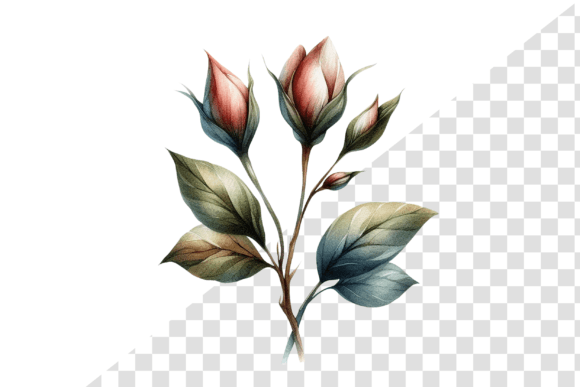
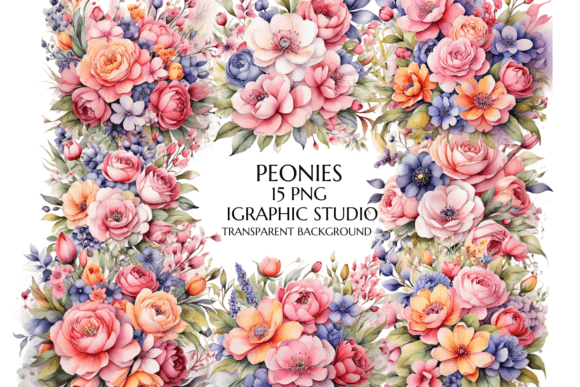
The mood of this particular pink peony illustration feels romantic yet modern. It avoids the stiff, overly formal look of traditional floral digitizing, leaning instead into a botanical sketch aesthetic. This visual personality suggests it belongs on products that value a handmade, artisanal feel rather than mass-produced uniformity. As I review the artwork, I am looking for clear petal definition. If the watercolor wash is too subtle, the resulting embroidery project may lose its shape on fabric. However, if the design maintains enough contrast in its source layers, it promises to be a versatile asset for creators focusing on feminine, nature-inspired goods.
Real-World Application: The Custom Tote Bag Test
To truly judge the viability of Pink Peony Watercolor Clipart, I mentally place it in a real production scenario. Recently, I prepared a custom embroidered tote bag for a bridal party gift set. Canvas totes are unforgiving; the texture can swallow fine details, and the heavy fabric requires precise stabilizer management. I envisioned using this peony design as the central motif, flanked by simple monogram lettering.
In this context, the clipart needs to function as more than just a pretty picture. It serves as the anchor for the entire personalized gift. For a tote bag design, the flower must be large enough to showcase the watercolor effect but balanced so it does not distort the bag’s structure when hooped. I considered how the pink tones would interact with natural canvas versus white cotton. On natural canvas, the warm undertones of the peony would blend harmoniously, creating a vintage aesthetic. On stark white, the pinks would pop with higher contrast. This versatility is crucial for Etsy sellers and small shop owners who need one design asset to work across multiple base products without requiring complete redigitizing.
Best Use Cases for Commercial and Personal Projects
Based on the organic style of these illustrations, Pink Peony Watercolor Clipart performs exceptionally well in specific categories. It is not a universal solution for every embroidery niche, but where it fits, it adds significant perceived value.
- Baby Embroidery and Nursery Decor: The soft pink palette and gentle floral theme make this ideal for baby blankets, bibs, and onesies. The watercolor style reads as delicate and safe, appealing to parents looking for non-gender-stereotypical but still feminine nursery items.
- Sweatshirt Embroidery and Custom Apparel: Placed over the heart or centered on a crewneck, this design elevates basic apparel into boutique-quality merchandise. The artistic nature of the clipart helps distinguish handmade products from generic print-on-demand alternatives.
- Holiday Embroidery and Wedding Gifts: While peonies are seasonal, their classic form works year-round for weddings. They are perfect for ring bearer pillows, bridal veils, or anniversary gifts. During spring and summer, they transition seamlessly into holiday embroidery for Mother’s Day or Easter markets.
- Digital Product Previews: For creative entrepreneurs selling printable mockups or digital embroidery files, this clipart provides a high-value visual hook. Its aesthetic quality improves click-through rates on listing photos because it signals professional taste.
Navigating Fabric Limitations and Technical Risks
Despite its beauty, Pink Peony Watercolor Clipart requires careful handling in certain environments. Watercolor-style digitizing often involves complex fill stitches to mimic paint blending. This density can be problematic on thin or stretchy fabrics. I would advise against using this design on lightweight knits or performance wear unless you are using a heavy cut-away stabilizer and potentially a topping to prevent puckering.
Dark fabrics present another challenge. Watercolor designs rely on light passing through translucent layers. On black or navy fabric, the pink tones may disappear or require a white underlay base, which changes the hand-feel of the garment significantly. Always test the design on a scrap of your intended dark fabric first. Additionally, be cautious with curved surfaces like caps. The flat, painterly perspective of a peony can warp awkwardly on a rounded brim. This design is better suited for flat hoops on pillow covers, tea towels, aprons, and framed wall art.
Small hoop sizes also demand scrutiny. Reducing a detailed watercolor illustration below 3 inches often results in lost petal definition and thread breaks. If your project requires a tiny accent, verify that the design retains clarity at that scale before committing to production.
Designer Notes for Professional Results
For fellow makers and business owners integrating Pink Peony Watercolor Clipart into their workflow, practical preparation is non-negotiable. Never assume a digital file is stitch-ready straight out of the download folder. Licensing terms vary; always confirm whether you have commercial rights for finished products or if the license restricts use to personal projects only. This distinction protects your craft business from legal issues down the line.
When setting up your machine embroidery design, pay close attention to thread colors. Watercolor effects depend heavily on shading. Standard solid threads may look flat compared to the digital preview. Consider using variegated threads or blending two similar pink shades in adjacent fill areas to recreate the painted depth. Check stitch density settings to ensure the design is not too heavy for your chosen fabric texture. A dense satin stitch border might be necessary to contain softer fill areas, preventing fraying after washing.
Finally, presentation matters. Before listing a new product featuring this design, create both light and dark background mockups. Compare how the pink hues render in different lighting conditions. Inspect small details in your test stitch-out; if petals merge into a solid blob, adjust the spacing or simplify the color blocks. Your customers trust your expertise, and delivering a crisp, vibrant embroidered patch or garment reinforces that trust. By treating Pink Peony Watercolor Clipart as a raw material requiring skilled craftsmanship rather than a plug-and-play solution, you ensure your finished product stands out in a crowded marketplace.