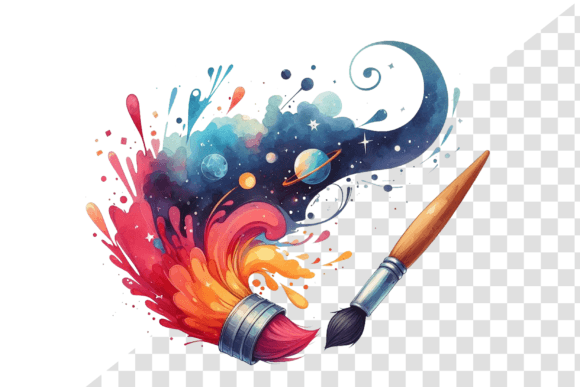
MagicBrush Watercolor Clipart for Embroidery
As a professional embroidery designer who constantly bridges the gap between digital art and physical thread, I approach every new asset with a healthy dose of skepticism. We have all downloaded beautiful graphics that look stunning on screen but turn into dense, puckered messes once digitized. When evaluating MagicBrush Watercolor Clipart for real-world production, my primary concern is not just aesthetic beauty, but translatability. Can this illustration actually survive the transition from pixel to stitch? After spending time analyzing these assets through the lens of a commercial embroiderer, I see significant potential for specific applications, provided you understand how watercolor aesthetics interact with machine embroidery constraints.
First Impressions: Soft Aesthetics Meet Stitch Reality
The immediate appeal of MagicBrush Watercolor Clipart lies in its organic, fluid nature. Unlike rigid vector art or cartoon-style clipart, these illustrations carry a mood of softness and artistic imperfection that is currently trending heavily in the handmade market. For an Etsy seller or boutique owner, this visual personality signals "handmade" and "premium" rather than "mass-produced." However, as a digitizer, I immediately look at the color gradients. Watercolor relies on subtle blending, whereas embroidery relies on distinct thread changes. The success of using this clipart as a base for a machine embroidery design depends entirely on your ability to interpret those washes into manageable fill stitches or artistic satin columns without creating excessive density.
The shapes within this collection generally offer clear silhouettes despite the painterly edges. This is crucial. If the boundaries are too fuzzy, digitizing becomes a guessing game. Fortunately, MagicBrush provides enough definition that you can confidently trace paths for applique designs or create running stitch outlines that mimic brush strokes. The mood is versatile enough for nursery decor, wedding stationery, and feminine apparel, making it a strong contender for shops focusing on personalized gifts and lifestyle products.
Real-World Application: Digitizing for a Custom Tote Bag
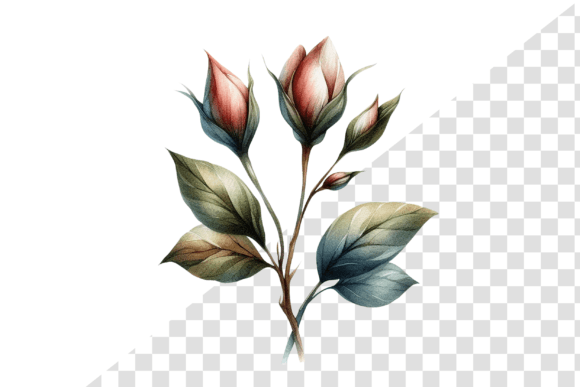
To truly test the viability of these illustrations, I mentally walked through a recent client project: a custom canvas tote bag for a bridal party. Canvas is textured and unforgiving; it demands bold lines and adequate coverage. Using a floral element from MagicBrush Watercolor Clipart, I had to decide between a full-fill reproduction or a stylized interpretation.
I opted for a hybrid approach that highlights the strength of this asset. Instead of trying to replicate every watercolor bleed with thousands of tiny fill stitches—which would have made the bag stiff and bulletproof—I used the clipart as a placement guide for a raw-edge applique. I printed the watercolor flower directly onto printable heat transfer vinyl, then used a simple running stitch and delicate satin border derived from the clipart’s outline to frame it. The result was a lightweight, breathable tote bag design that retained the authentic watercolor look without compromising the fabric's drape. This is where MagicBrush shines: it serves as an exceptional foundation for mixed-media embroidery projects where the print does the heavy lifting for color, and the thread adds texture and value.
For sweatshirt embroidery, specifically on fleece or French terry, the strategy shifts. Fleece eats detail. Here, I would use the bolder elements of the clipart to create openwork fill patterns. The organic shapes allow for creative negative space, preventing the design from becoming a heavy patch on the chest. This adaptability makes the collection valuable for custom apparel creators who need designs that work across different garment weights.
Navigating Fabric Constraints and Technical Limits
While the artistic quality is high, practical application requires caution. Watercolor aesthetics often imply transparency, but thread is opaque. You cannot stitch "transparent" layers easily. When using MagicBrush Watercolor Clipart on dark fabrics, you must account for underlay and potentially white backing to make the colors pop, which increases stitch count significantly. On stretchy knits like jersey or ribbed baby clothes, large watercolor-inspired fills can cause tunneling if the stitch density isn't perfectly balanced with your stabilizer choice.
I advise extreme care when scaling these illustrations down for small hoop sizes or items like caps and sleeves. Watercolor details are inherently soft; shrinking them turns delicate brush tips into indistinguishable blobs. If you are planning baby embroidery or small logo placements, select only the simplest motifs from the set. Avoid intricate corners or tiny lettering integrated into the art unless you plan to redraw them specifically for embroidery. The original raster file is a reference, not a blueprint for micro-details.
Furthermore, consider the end-use care. A tea towel or apron featuring a watercolor-derived embroidery design will be washed frequently. High-density artistic fills may degrade faster or distort the fabric over time compared to simpler line work. Always prioritize structural integrity over artistic replication for functional goods. For decorative items like pillow covers or wall hangings, you have much more freedom to experiment with complex shading techniques and higher stitch counts.
Elevating Product Value and Brand Perception
In the saturated market of digital products and handmade goods, presentation is everything. MagicBrush Watercolor Clipart offers a distinct advantage for printable mockups and listing photography. Because the art style is cohesive, you can build a recognizable brand identity across your shop. Customers trust sellers whose products look curated and professional. Using consistent illustrative elements in your marketing materials and actual finished products creates a seamless buyer experience.
For those selling digital embroidery files, utilizing these illustrations as inspiration (while ensuring you create original digitization) can help tap into current trends without infringing on direct tracing, provided you transform the work sufficiently. For makers selling physical goods, the unique, hand-painted feel of the source material elevates the perceived value of the finished product. It moves the item away from generic clipart merchandise toward something that feels bespoke and artisanal. This distinction is often what justifies a higher price point for commercial embroidery services and boutique items.
Essential Designer Notes Before You Hoop Up
Before committing MagicBrush Watercolor Clipart to a final production run, adhere to these professional best practices to ensure quality and compliance:
- Always Test Stitch: Never assume a digitized version of watercolor art will look correct on the first try. Test on scrap fabric that matches your final project’s weight and texture to check for registration issues and density problems.
- Verify Licensing: Confirm whether your license allows for commercial use of the digitized design or only the physical finished product. Terms vary, and protecting your business starts with reading the fine print regarding design assets.
- Contrast Check: View the clipart in grayscale before digitizing. If the values disappear in black and white, your thread contrast will likely fail. Adjust your digitizing plan to emphasize value differences over color hue.
- Stabilizer Strategy: Match your stabilizer to the fabric, not just the design. Watercolor-style fills often require more support than standard logos. Use cut-away stabilizers for knits and tear-away for stable wovens to prevent distortion.
- Simplify Ruthlessly: Just because the clipart has a detail doesn't mean your embroidery needs it. Edit out micro-details that won't render well at scale. A clean, readable design always outsells a muddy, overly complex one.
- Mockup Validation: Create realistic mockups using the actual clipart to gauge customer interest before digitizing. This saves hours of work on designs that may not resonate with your specific audience.
MagicBrush Watercolor Clipart represents a beautiful intersection of traditional art and modern crafting potential. By respecting the technical limitations of thread while leveraging the emotional resonance of watercolor, you can create embroidered products that stand out for their artistry and quality. Approach the digitizing process with intention, test thoroughly, and let the unique character of these illustrations enhance your creative business rather than complicate it.