Watercolor Dreamy Bunny Clipart: Editorial Illustrations
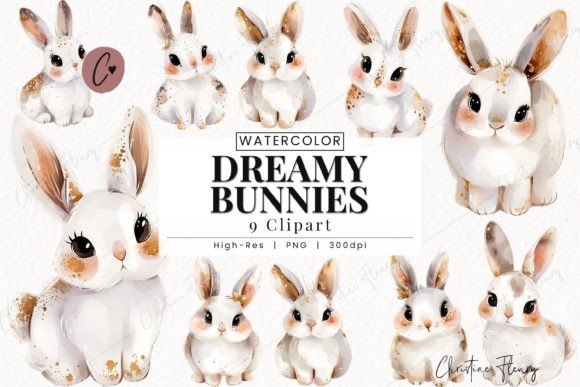
As a digital publisher and blog designer, my first interaction with any graphic design asset is purely analytical. Before I consider the aesthetic beauty, I evaluate utility, versatility, and technical performance. When reviewing the Watercolor Dreamy Bunny Clipart for potential integration into live editorial workflows, the immediate impression is one of soft, organic warmth. This collection does not scream for attention; rather, it invites engagement through a gentle, hand-painted texture that feels distinctly human in an increasingly AI-generated landscape.
The editorial mood established by these illustrations is undeniably feminine, nostalgic, and serene. For content creators operating in niches like motherhood, early childhood education, spring lifestyle, or cozy reading communities, this visual tone is essential. It signals safety and comfort to the reader before they process a single word of copy. Unlike rigid vector art, the watercolor medium introduces a level of artistic vulnerability that builds immediate reader trust. In web design, where bounce rates often correlate with sterile or aggressive visuals, this asset serves as a psychological anchor, encouraging visitors to linger and explore.
Integrating Soft Aesthetics into High-Performance Content Marketing
In a real publishing workflow, versatility is the metric that matters most. I tested the Watercolor Dreamy Bunny Clipart across multiple touchpoints typical of a modern content business. As a featured image element for blog posts, the bunny provides necessary negative space. This is critical for visual hierarchy. Many clipart sets are too dense, forcing designers to crop awkwardly or overlay heavy gradients to make text readable. These illustrations, however, possess natural breathing room, allowing headlines to sit comfortably beside the artwork without competing for attention.
For Pinterest pin creation, this asset performs exceptionally well. Pinterest users respond to vertical imagery that blends aspiration with information. Placing a dreamy bunny at the top third of a pin creates an emotional hook, while the lower two-thirds remain clear for bold typography and value propositions. I found that pins utilizing this clipart felt less like advertisements and more like curated editorial recommendations, which aligns perfectly with current platform algorithms favoring authentic content marketing.
Beyond social media, these illustrations serve as high-value components for digital product development. When designing a lead magnet such as a "Spring Activity Guide" or a "Bedtime Routine Checklist," the clipart elevates the perceived value of the freebie. It transforms a standard PDF into a keepsake resource. Similarly, for creators selling Canva template packs or printable planners, including elements like these adds a layer of proprietary branding that distinguishes your products from generic marketplace offerings. The hand-painted quality suggests craftsmanship, justifying higher price points for paid resources.
Strategic Placement for Brand Identity and Reader Retention
Knowing where to deploy a specific design asset is just as important as owning it. The Watercolor Dreamy Bunny Clipart excels in environments that benefit from emotional resonance. Hero images for seasonal landing pages are a prime use case. The soft edges of the watercolor blend seamlessly into pastel or cream backgrounds, creating a cohesive website header that loads visually faster than a full-bleed photograph. Article thumbnails for category archives also benefit significantly; when a user scans a blog feed, consistent use of this illustration style creates a rhythmic visual pattern that reinforces brand identity.
Furthermore, these illustrations are ideal for breaking up long-form text within editorial design layouts. In comprehensive guides or affiliate reviews for children’s products, inserting a small bunny graphic between sections reduces cognitive load. It acts as a visual palate cleanser, maintaining reader engagement through dense information. For newsletter creators, using this clipart in email headers or as dividers can increase click-through rates by making promotional emails feel personal and handcrafted rather than corporate and automated.
Navigating Technical Constraints and Contextual Limitations
Despite its charm, this asset requires careful handling to maintain professional standards. There are specific contexts where the Watercolor Dreamy Bunny Clipart should be used with extreme caution or avoided entirely. Small mobile thumbnails are a primary concern. The delicate brushwork and subtle color variations can disappear when scaled down to 150 pixels wide, resulting in a muddy or unrecognizable blob. Always preview assets at actual display size on mobile devices before publishing.
Additionally, avoid using these illustrations in text-heavy graphics where contrast is paramount. Watercolors are inherently low-contrast; placing dark body text directly over the painted areas will fail accessibility standards and frustrate readers. Instead, treat the bunny as a supporting element anchored to the side or corner. Publishers in serious professional niches, such as finance, legal services, or B2B tech, should likely bypass this asset. The whimsical nature of the bunny undermines authority in sectors requiring gravitas. Even within lifestyle blogging, ensure the surrounding layout supports the softness; pairing this clipart with harsh neon colors or brutalist grid lines creates visual dissonance that confuses the user experience.
The Publisher’s Pre-Launch Checklist for Digital Assets
Before adding the Watercolor Dreamy Bunny Clipart to your live site or next digital download, run through this practical validation process to ensure editorial quality and legal compliance:
- Cross-Device Testing: View the graphic on a 4K monitor, a standard laptop, and a budget smartphone. Ensure details remain crisp and colors do not shift drastically across screens.
- Typography Pairing: Test the clipart against your brand fonts. Does it harmonize with your serif headings? Does it clash with your geometric sans-serif body text? Soft illustrations often pair best with elegant serifs or clean, rounded sans-serifs.
- File Optimization: Watercolor textures can result in large file sizes. Compress PNGs using lossless tools to preserve transparency and edge detail while keeping page load speeds optimal for SEO.
- Monochrome Check: Convert the image to grayscale. If the bunny loses all definition in black and white, it may cause issues for users printing your printable design resources or viewing in high-contrast accessibility modes.
- Licensing Verification: Confirm the commercial license terms specifically for your intended use. Some licenses cover blog graphics but restrict usage in end-products for resale like templates or merchandise. Never assume rights transfer across different monetization models.
- Background Transparency: Verify that the background removal is clean. Jagged white halos around soft watercolor edges look amateurish on colored website backgrounds. Use masking tools to feather edges if necessary.
Elevating Affiliate and Educational Content Through Visual Trust
For affiliate marketers and online educators, visual trust translates directly to revenue and retention. When reviewing baby products, homeschooling curricula, or self-care items, the Watercolor Dreamy Bunny Clipart acts as a non-verbal endorsement of gentleness. It aligns the commercial intent of the page with the emotional needs of the audience. In affiliate marketing, where skepticism runs high, softening the sales environment with authentic-feeling art can reduce friction.
Similarly, for online educators creating course materials or worksheets, these illustrations provide age-appropriate visual cues without being infantalizing. They strike a balance between playful and polished, suitable for both adult learners in parenting courses and young students in early literacy programs. By treating this clipart as a strategic communication tool rather than mere decoration, publishers can create richer, more effective digital experiences.
Ultimately, the Watercolor Dreamy Bunny Clipart represents a valuable addition to the creative entrepreneur's toolkit. It bridges the gap between artistic expression and functional modern design. When applied with intentionality regarding placement, contrast, and audience expectation, it enhances not just the aesthetics of a project, but its overall effectiveness in building community and driving engagement. Whether you are crafting a digital guide, refreshing your blog's visual identity, or designing a new line of printables, this asset offers the warmth and professionalism required to stand out in a crowded creative marketplace.