Cherry Blossom Art Watercolor Clipart: Editorial Illustrations
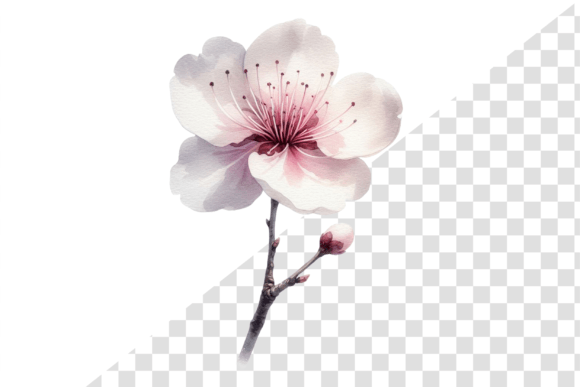
As a blog designer and digital publisher, my first interaction with any new graphic design asset is always critical. When I opened the files for Cherry Blossom Art Watercolor Clipart, the immediate impression was one of refined softness and organic elegance. This is not merely decorative filler; it is a cohesive set of illustrations that communicates a specific editorial mood. The watercolor texture feels authentic rather than digitally manufactured, which immediately signals quality to the reader. For content creators in lifestyle, wellness, beauty, or seasonal niches, this asset establishes a tone that is both feminine and professional. It avoids looking childish, striking a balance that supports serious content marketing while maintaining an approachable, artistic aesthetic.
In a real publishing workflow, the utility of these illustrations becomes apparent when tackling visual fatigue. Readers often scroll past generic stock photography. Cherry Blossom Art Watercolor Clipart offers a distinct alternative that can serve as a powerful visual anchor. When used as a website header or within article graphics, it creates a sense of calm and intentionality. This is particularly valuable for affiliate marketing blogs where trust is paramount; the bespoke feel of hand-painted elements suggests that the publisher cares about details, which subconsciously transfers to the products or services being reviewed. The transparency of the PNG files allows for seamless layering over colored backgrounds or textured paper effects, making them incredibly versatile for modern web design.
Elevating Content Performance Through Strategic Visuals
The true test of any creative design asset is how it performs across different platforms. In my experience preparing Pinterest pins, these cherry blossom elements act as excellent negative space fillers that guide the eye toward the headline without competing with it. A cluttered pin fails to convert, but the airy composition of these illustrations supports clear visual hierarchy. When designing social media graphics for Instagram or Facebook, the organic shapes break up rigid grid layouts, increasing engagement by adding a human touch to digital feeds. For newsletter creators, placing a subtle branch element in the header or footer can improve brand recognition and make email content feel less transactional and more personal.
Beyond social promotion, this asset shines in the creation of digital products. If you are developing a lead magnet, digital guide, or printable design, consistency is key to perceived value. Using Cherry Blossom Art Watercolor Clipart across eBook covers, worksheet borders, and certificate templates creates a unified brand identity. This cohesion is essential for small business branding, as it makes downloadable resources look like premium offerings rather than afterthoughts. For online educators selling courses, these visuals can soften technical content, making learning materials feel more inviting and accessible to students who might otherwise be intimidated by dense text.
Optimal Placement for Editorial and Commercial Design
Knowing where to deploy this graphic design asset is just as important as having it. Based on current editorial design trends, Cherry Blossom Art Watercolor Clipart works best in areas that benefit from emotional resonance. Hero images for spring-themed articles, category thumbnails for gardening or skincare blogs, and accent graphics for poetry or journaling posts are ideal applications. The illustrations also perform exceptionally well in Canva templates intended for resale or client use, as the watercolor style remains evergreen despite shifting trend cycles. For affiliate content, using these florals as border elements around product shots can frame the item in a lifestyle context, potentially improving click-through rates compared to isolated white-background product photos.
- Blog Featured Images: Use as a primary focal point or secondary accent to add depth to typography-heavy headers.
- Digital Downloads: Incorporate into PDF worksheets and checklists to increase the perceived value of freebies.
- Email Marketing: Utilize as dividers or signature accents to maintain visual continuity between web and inbox.
- Social Media Stories: Layer behind text boxes to create branded backgrounds that stand out in feeds.
- Printable Design: Perfect for planners, journals, and wall art due to high-resolution watercolor textures.
Navigating Limitations and Contextual Awareness
While versatile, Cherry Blossom Art Watercolor Clipart requires careful application to maintain its effectiveness. Publishers should avoid using these delicate illustrations in contexts demanding high-contrast urgency, such as hard-sell landing pages or corporate financial reports. The soft edges and pastel tones may undermine messages requiring authority or stark minimalism. Additionally, when scaling down for mobile thumbnails, intricate watercolor details can become muddy. Always preview assets at actual display size before finalizing layouts. In busy editorial designs with multiple competing elements, these florals risk becoming visual noise; they require breathing room to function as effective design assets rather than mere decoration.
Another consideration involves background contrast. Because watercolor relies on translucency, placing these illustrations directly on dark backgrounds without adjustment can result in loss of detail. I recommend testing opacity settings or adding a subtle glow effect when working outside of light color palettes. Furthermore, while the style is generally safe, publishers in highly regulated industries should ensure the playful nature of the art aligns with compliance standards. The goal is always to enhance readability and user experience, not to distract from the core message or compromise accessibility standards through poor color contrast ratios.
Publisher Notes: Technical Workflow and Licensing
Before integrating Cherry Blossom Art Watercolor Clipart into a live production environment, rigorous technical testing is non-negotiable. I always advise checking file sizes; high-resolution watercolor PNGs can be heavy, potentially slowing page load speeds if not optimized. Use modern compression tools that preserve edge quality while reducing kilobyte weight. Test the assets alongside your site’s typography system. These illustrations pair beautifully with elegant serifs and clean sans-serifs but can clash with aggressive display fonts or overly geometric typefaces. Verify legibility when text overlaps floral elements, ensuring WCAG accessibility compliance for all users.
- Licensing Verification: Before using on monetized sites, affiliate pages, or paid digital products, confirm the commercial license terms explicitly cover your intended use case.
- Cross-Device Testing: Preview graphics on desktop, tablet, and mobile to ensure details remain crisp and compositions hold up at various breakpoints.
- Color Profile Check: Ensure files are in RGB mode for web use; CMYK profiles may display unexpectedly dull colors on screens.
- Template Integration: Save approved configurations as reusable components in your CMS or design tool to maintain consistency across future content.
- A/B Testing: Experiment with placement variations in featured images to determine which configuration drives higher engagement metrics.
Ultimately, Cherry Blossom Art Watercolor Clipart represents a valuable addition to the creative marketplace for publishers seeking to elevate their visual storytelling. Whether enhancing a seasonal blog post, beautifying a digital download, or refining small business branding, these illustrations offer a blend of artistic charm and practical utility. By approaching this asset with strategic intent—respecting its aesthetic strengths while acknowledging its contextual boundaries—content creators can transform ordinary pages into polished, trustworthy experiences that resonate deeply with their audience. The investment in quality design assets like this pays dividends in reader retention, brand perception, and overall content performance.