Watercolor Cute Shrimp Clipart: Illustrations for Sellers
Evaluating Niche Appeal for Digital Product Collections
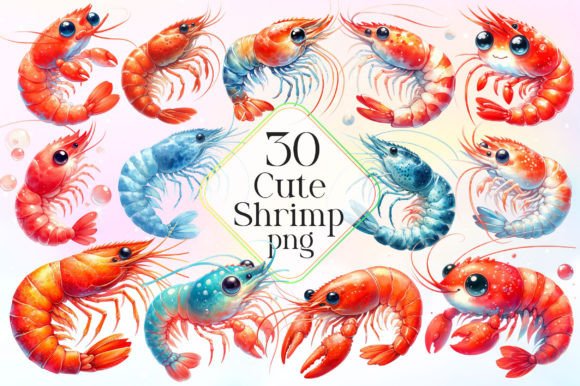
When sourcing a new graphic design asset for an online shop, the first step is always assessing immediate visual impact and niche viability. Upon reviewing this Watercolor Cute Shrimp Clipart collection, the initial impression is one of playful charm mixed with organic texture. Unlike rigid vector art, these illustrations carry the soft edges and color bleeding characteristic of traditional watercolor media. This aesthetic signals "handmade" and "artisanal" to buyers, which is a critical selling point on platforms like Etsy and Creative Fabrica. The mood strikes a balance between nursery whimsy and coastal cottagecore, making it versatile enough for multiple customer avatars.
For a digital seller, this specific personality matters. We are not just selling a picture of a crustacean; we are selling a vibe that fits current trends in kawaii stationery, ocean-themed baby showers, and summer merchandise. The commercial design potential here relies heavily on its ability to evoke warmth rather than scientific accuracy. If you are building a seasonal digital download shop or expanding a marine life bundle, this asset feels premium because of its painterly quality. However, sellers must recognize that this style attracts a specific buyer looking for softness and nostalgia, so it should be positioned accordingly in your shop categories.
Profitable Applications Across Print-on-Demand and Digital Downloads
The true test of any clipart bundle is its adaptability across different product types. In my experience preparing listings, I evaluate assets based on how many distinct revenue streams they can generate. This Watercolor Cute Shrimp Clipart performs exceptionally well in several key areas:
- Printable Wall Art: The high-resolution nature of these illustrations makes them ideal for nursery decor or kitchen prints. Pairing the shrimp with elegant serif typography creates a sophisticated botanical-style poster.
- Sublimation Design: For tumbler wraps and mug designs, the watercolor texture blends beautifully without pixelation. The organic edges prevent the "sticker look" that often plagues sublimation products, resulting in a more professional finish.
- Stationery and Invitations: These work perfectly as corner accents for baby shower invites or thank-you cards. The transparency allows them to sit over colored backgrounds without harsh white boxes.
- Digital Planner Stickers: Crafters using GoodNotes or Notability love pre-cropped PNG designs. This set provides ready-to-use elements for journaling enthusiasts.
- Canva Template Assets: If you sell editable templates, including unique hand-drawn elements like these adds significant perceived value compared to using generic free library graphics.
However, when considering SVG design applications for Cricut projects, caution is required. Watercolor textures do not translate cleanly to cut files unless they are specifically designed with solid color blocks. If you intend to offer this as a sticker design for vinyl cutting, ensure you have a simplified version or use the print-then-cut feature exclusively. Trying to force complex watercolor gradients into a standard cut path will frustrate customers and lead to support tickets.
Optimizing Listing Images and Visual Hierarchy
Your product mockup is the primary driver of click-through rates. When merchandising Watercolor Cute Shrimp Clipart, the presentation must reflect the delicate nature of the illustration. Avoid cluttered thumbnails. Instead, utilize negative space to let the artwork breathe. A clean, white or cream background often works best to showcase the subtle color variations in the watercolor wash.
I recommend creating composite listing images that demonstrate scale and context. Show the shrimp next to a handwritten font to suggest pairing options. Display the asset on a realistic paper texture mockup to emphasize its printable quality. For social media graphics promoting the launch, use the shrimp as a focal point with minimal text overlay. This visual storytelling helps potential buyers instantly understand how the asset solves their creative problem. Remember, customers are buying the end result, not just the file. Your brand identity should feel cohesive, suggesting that your shop is a curated source for high-quality handmade business assets.
Strategic Placement and Technical Limitations
While versatile, this graphic design asset has specific environments where it excels and others where it struggles. Understanding these distinctions prevents returns and negative reviews.
Where It Works Best:
- Large Format Prints: Posters, tote bags, and apparel benefit from the rich detail.
- Themed Bundles: Grouping these with other sea life or floral watercolors increases average order value.
- Light Backgrounds: Watercolor pigments are inherently translucent. They pop against white, pastel, or kraft paper textures.
- Decorative Layouts: Use as borders, dividers, or accent pieces rather than the sole focal point in busy designs.
Where to Exercise Caution:
- Dark Backgrounds: Unless the file includes white ink layers or opaque backing, the colors may disappear against black or navy fabrics.
- Tiny Details: At very small sizes, watercolor edges can look muddy. Test minimum sizing before offering micro-sticker sets.
- Complex Overlays: Avoid placing text directly over the detailed parts of the shrimp. Maintain clear visual hierarchy by keeping copy in open spaces.
- Low-Resolution Web Use: Always downsample for web previews to protect your intellectual property, but ensure the master files remain at 300 DPI for print.
Seller Checklist: Quality Assurance Before Publishing
Before listing this Watercolor Cute Shrimp Clipart in your creative marketplace store, run through a rigorous quality control process. As experienced sellers know, technical flaws destroy trust faster than anything else.
Verify File Integrity: Open every PNG design to check for stray pixels or incomplete erasing around the edges. Transparency must be flawless. Customers should not have to manually clean up your files.
Test Print Colors: Screen colors rarely match CMYK output perfectly. Print a physical sample to ensure the pinks and oranges retain their vibrancy and do not shift to dull browns. Adjust color profiles if necessary before selling printable design files.
Font Pairing Validation: Create internal tests combining the clipart with various typefaces. Confirm which script fonts complement the organic flow and which sans serif fonts provide modern contrast. Include these pairing suggestions in your product description to add value.
Licensing Clarity: Clearly define the commercial license terms. Can buyers use this on physical products for sale? Is there a limit on units? Ambiguity here leads to disputes. Be explicit about what constitutes personal versus commercial use.
Organization: Zip files logically. Separate individual elements from pre-made compositions. Name files descriptively (e.g., "shrimp-pink-watercolor-300dpi.png") rather than generic codes. Professional file management reflects the quality of your small business branding.
Final Verdict for Creative Entrepreneurs
Incorporating Watercolor Cute Shrimp Clipart into your inventory is a strategic move for sellers targeting the intersection of cute aesthetics and artisanal craftsmanship. It supports a wide range of products from digital downloads to physical merchandise, provided you respect the medium's technical constraints. By focusing on high-quality mockups, clear licensing, and practical application examples, you transform a simple illustration into a profitable commercial design asset. Always prioritize the customer's ease of use, and this collection can become a reliable staple in your digital product ecosystem.