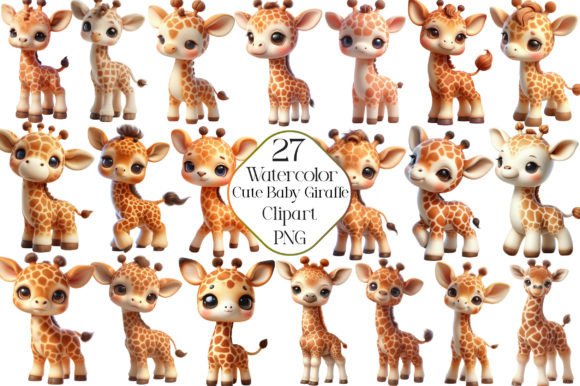
Watercolor Cute Baby Elephant Clipart Illustrations
First Impressions: Evaluating Emotional Resonance in Nursery Branding
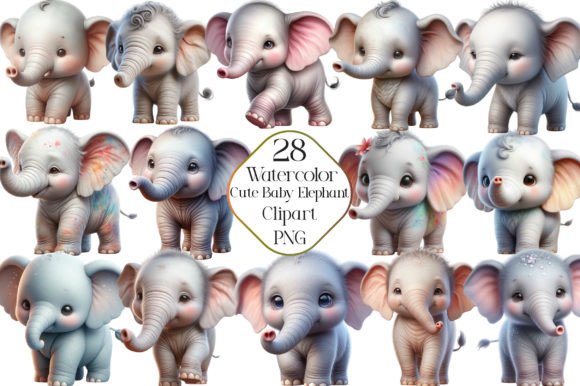
When reviewing a new graphic design asset for an upcoming client project, my primary filter is always emotional resonance versus technical execution. Recently, while developing a comprehensive brand identity for a boutique nursery textile line, I evaluated the Watercolor Cute Baby Elephant Clipart to determine if it could anchor our visual strategy. The immediate impression was one of softness and approachability. Unlike rigid vector art, this illustration carries the organic texture of traditional media, which is essential when communicating warmth and safety in children’s products. For a handmade business or a small business owner launching a baby shower collection, this aesthetic bridges the gap between professional polish and artisanal charm.
The specific style of these Illustrations leans into a modern vintage sensibility. The color palette is muted rather than neon, suggesting a sophisticated modern design approach that appeals to millennial parents. As a designer, I look for assets that do not scream "stock image," and this clipart succeeds by retaining visible brush strokes and water blooms. This level of detail ensures that when used in marketing visuals, the brand feels curated and intentional rather than generic. It immediately signaled that this asset would be suitable for high-end printable design projects where texture translates directly to perceived value.
Application Across Packaging, Apparel, and Digital Touchpoints
In a real-world commercial design scenario, versatility is non-negotiable. I tested the Watercolor Cute Baby Elephant Clipart across multiple deliverables for the nursery client. For packaging design, specifically belly bands on organic cotton onesies, the elephant served as a perfect focal point without overwhelming the minimalist typography. The transparency of the PNG design file allowed for seamless integration over textured paper backgrounds, maintaining the integrity of the packaging material. This is crucial for Etsy product listings where photography must convey tactile quality through a screen.
For apparel, particularly t-shirt design and bibs, the asset performed well as a central motif. However, its true strength emerged in social media graphics. When creating Instagram carousels and Pinterest pins, the elephant acted as a recurring character that built narrative consistency. In Canva template creation for the client’s future marketing team, the clipart was easily resizable and repositionable, making it an accessible tool for non-designers. For crafters and makers, this asset also shows promise as a sublimation design for mugs and tumblers, provided the resolution supports the physical print size. The gentle watercolor edges prevent the harsh aliasing often seen in digital-to-physical transfers, ensuring the final merchandise looks professionally printed.
Optimal Placement Strategies for Maximum Visual Impact
Understanding where to place a creative design element is just as important as the element itself. The Watercolor Cute Baby Elephant Clipart excels in large layout areas where its textural nuances can breathe. It is ideal for hero sections on web design landing pages, serving as an emotional hook above the fold. In editorial design for birth announcements or storybooks, it works beautifully as a spot illustration in margins or as a chapter header. For sticker design, the organic shape allows for dynamic die-cut lines that feel custom and collectible.
This asset also shines in themed collections. If you are building a design bundle for a safari or woodland theme, this elephant provides a consistent stylistic anchor. It is particularly effective in product mockup presentations, helping potential buyers visualize the end result on actual goods. For print-on-demand sellers, placing this graphic on tote bags or wall art prints leverages its inherent artistic quality, transforming a commodity item into a piece of decor. The key is to treat it as a featured artist’s work rather than mere decoration; give it negative space and let the watercolor wash define the mood of the composition.
Navigating Limitations: Hierarchy, Contrast, and Legibility
Every digital product has boundaries, and professional judgment requires acknowledging them. The Watercolor Cute Baby Elephant Clipart should be used with extreme caution in small sizes. Watercolor relies on edge variation for definition; when scaled down below two inches, those delicate bleeds can turn into muddy pixels, destroying the visual hierarchy. Avoid using this asset in complex, busy backgrounds where the soft edges will compete with other elements. It lacks the hard outlines necessary for high-contrast environments like trade show banners or dense informational flyers.
Furthermore, this style is generally unsuitable for strict corporate materials or tech-focused branding unless the goal is deliberate juxtaposition. In projects requiring absolute clarity and authority, the whimsy of the elephant may undermine the message. Designers must also be mindful of readability when pairing this clipart with text. Never place body copy directly over the darker watercolor washes of the elephant. Instead, use the illustration to frame text or balance white space. For Cricut project users attempting vinyl cuts, remember that watercolor gradients are difficult to replicate in solid vinyl; this asset is better suited for print-then-cut workflows or iron-on transfers rather than layered adhesive vinyl designs.
Technical Due Diligence and Commercial Licensing Checks
Before integrating any design assets into a paid client project, rigorous technical testing is mandatory. My first step with the Watercolor Cute Baby Elephant Clipart was converting it to grayscale. If the illustration loses its form and becomes an indistinguishable blob in black and white, it fails the accessibility test and limits single-color printing options. Fortunately, this asset retained sufficient tonal contrast, making it viable for embossing or foil stamping applications in luxury small business branding.
I also verified the file specifications extensively. For SVG design compatibility, check if the file is a true vector or merely a raster trace. True vectors allow for infinite scaling without quality loss, whereas traced PNGs have limitations. Always inspect the alpha channel in the PNG design to ensure there are no white halos around the watercolor edges, which look unprofessional on colored backgrounds. Test print the asset at 100% scale on your intended substrate; colors often shift from RGB screens to CMYK paper, especially with subtle watercolor blends. Finally, and most critically, review the commercial license. Confirm whether the license covers physical products, digital templates, and print-on-demand usage. A beautiful illustration is useless if its legal terms expose your client to risk. By performing these checks, you ensure that the Watercolor Cute Baby Elephant Clipart serves as a reliable, professional-grade foundation for successful creative campaigns.