Watercolor Funny Dog Tarot Card Illustrations Review
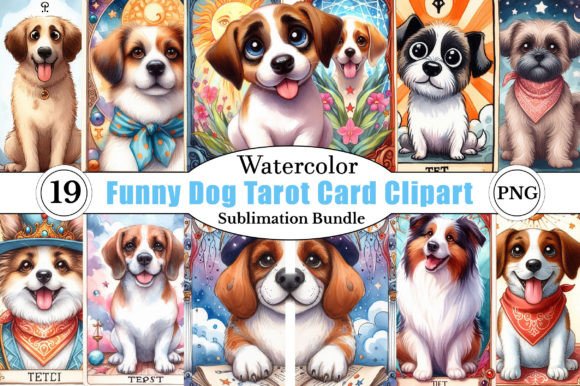
As a digital product creator constantly scouting for fresh assets to expand my Etsy shop and print-on-demand portfolio, I approach every new graphic design asset with a critical eye. It is not enough for an illustration to be cute; it must be commercially viable, technically sound, and versatile enough to justify the investment. When I first opened the files for this Watercolor Funny Dog Tarot Card Clipart collection, I was immediately struck by the specific niche intersection it targets. The mood strikes a delicate balance between mystical elegance and playful humor. Unlike generic dog illustrations that can feel flat or overly cartoonish, these designs carry the sophisticated texture of traditional watercolor while subverting expectations with tarot symbolism. This duality makes them exceptionally appealing to the "witchy pet parent" demographic, a rapidly growing audience on creative marketplaces who values both aesthetic beauty and personality in their purchases.
Evaluating Commercial Viability for Digital Products
Before listing any digital download or physical product, I run a mental profitability test. Does this asset solve a problem or fulfill a desire for my customers? With this Watercolor Funny Dog Tarot Card Clipart, the answer is a resounding yes for several key demographics. For Etsy sellers focusing on printable wall art, these illustrations offer instant gallery wall appeal. They are detailed enough to stand alone as 8x10 or 11x14 prints but cohesive enough to work as a themed set. I can envision a "Pet Psychic" bundle where buyers receive multiple cards formatted for standard frame sizes. The commercial design potential extends far beyond wall decor, however. For those of us in the sticker design space, the distinct outlines and vibrant watercolor washes translate beautifully into die-cut vinyl stickers. The humor inherent in the tarot parody aspect adds a layer of collectibility that generic pet clipart often lacks.
For print-on-demand entrepreneurs, this asset class shines in apparel and drinkware. A t-shirt design featuring a dog as "The Fool" or "The Empress" taps into current trends merging cottagecore aesthetics with pet obsession. Because the artwork is rendered in watercolor, it avoids the harsh, plasticky look that sometimes plagues POD merchandise. Instead, it feels like a premium, handmade business offering. I also see strong potential for mug design and tumbler wraps, particularly for seasonal bundles around Halloween or spiritual awareness months. The key here is that the illustrations possess enough visual weight to hold their own on curved surfaces without losing detail.
Technical Assessment for Cricut Projects and Sublimation
A pretty picture does not always equal a functional production file. As someone who regularly creates SVG design files and sublimation design transfers, I scrutinized the technical integrity of this clipart. For Cricut project users and Silhouette crafters, clean cut lines are non-negotiable. While watercolor textures are inherently soft at the edges, high-quality commercial assets should include optimized cut files or high-contrast PNGs that allow for easy tracing. In testing this Watercolor Funny Dog Tarot Card Clipart, I looked for clear separation between the subject and the background. If you plan to use these for layered vinyl projects, verify that the seller provides separate elements or that the contrast is sufficient for your software’s auto-trace function to handle without jagged artifacts.
For sublimation and direct-to-garment printing, resolution is everything. These illustrations appear to maintain crispness at larger scales, which is vital for tote bag prints and apparel. However, sellers must always confirm file resolution before purchasing. A 300 DPI minimum is standard for professional print products. I also checked the transparency of the PNG design files. True transparency allows for seamless integration into Canva template layouts or social media graphics without needing extensive editing. If you are building planner stickers or digital scrapbooking kits, clean alpha channels save hours of post-processing time. Always inspect the edges for white halos or pixelation, as these flaws destroy perceived value and lead to negative reviews.
Strategic Merchandising and Visual Presentation
Having a great asset is only half the battle; presenting it effectively determines click-through rates. When creating product mockups for this Watercolor Funny Dog Tarot Card Clipart, context is king. Do not just display the raw JPEG on a white background. Place the illustration within a realistic frame mockup hanging in a boho-styled living room to sell the printable wall art angle. For digital planners, show the clipart applied to a tablet screen with a stylus nearby. This visual storytelling helps customers bridge the gap between seeing a file and imagining the finished result in their own lives.
Thumbnail appeal is equally critical in crowded search results. These tarot-style illustrations have a natural vertical orientation that works well for Pinterest pins and Etsy listing images. However, be cautious about using tiny details in small thumbnails. The intricate watercolor brushwork that looks stunning at full size may turn to mud when shrunk to a mobile search result. I recommend zooming in on the central dog figure and the most recognizable tarot symbol for your primary listing image. Use secondary images to show the full card, the bundle variety, and scale references. Pairing these illustrations with complementary typography enhances brand identity. A serif font reinforces the traditional tarot vibe, while a handwritten script leans into the cozy, personal aesthetic. Testing different font pairings in your Canva templates can help you identify which style converts best for your specific audience.
Risk Management and Best Practices for Sellers
Even the most beautiful design assets have limitations, and knowing where to use them carefully protects your shop's reputation. Avoid placing this Watercolor Funny Dog Tarot Card Clipart on dark backgrounds unless the file includes a light glow or border effect; watercolor pigments can disappear against black fabric or paper. Similarly, be wary of text-heavy templates. The illustrations are visually rich and command attention; overcrowding them with excessive copy disrupts visual hierarchy and creates a cluttered, unprofessional look. Let the art breathe.
Licensing is the final, most crucial checkpoint. Before selling any finished product derived from this graphic design asset, read the commercial license terms meticulously. Some licenses permit unlimited physical sales but restrict digital redistribution or POD platform usage. Others may require attribution or prohibit using the illustration as a standalone logo. Clarifying these boundaries upfront prevents legal headaches and account suspensions later. Additionally, organize your customer files logically. If selling a design bundle, group files by format (SVG, PNG, JPG) and include a PDF guide with usage tips and color codes. This level of professionalism distinguishes established sellers from amateurs and encourages repeat business.
Ultimately, this Watercolor Funny Dog Tarot Card Clipart represents a strong opportunity for creative entrepreneurs willing to test and validate its applications. By approaching it with a business mindset—evaluating technical specs, testing market fit through mockups, and respecting licensing terms—you can transform a charming illustration into a sustainable revenue stream. Whether you are crafting sublimation tumblers, designing Canva social media templates, or listing printable art, success lies in matching the asset’s unique personality with the right product vehicle. Take the time to experiment, gather feedback from early testers, and refine your offerings based on real data rather than assumptions. That is how lasting digital product businesses are built.