Watercolor Butterfly Rose PNG Design Review
As a professional embroidery designer and product reviewer, I approach every new digital asset with a critical eye. When evaluating the Watercolor Butterfly Rose PNG Design, my first thought is not just about its aesthetic beauty, but how those soft, painted edges will translate into actual thread on fabric. In the world of Illustrations, watercolor styles are incredibly popular for their romantic, organic feel, but they present unique challenges for machine embroidery. This review breaks down exactly how this design performs in real-world production scenarios, specifically for makers and shop owners who need reliable results.
First Impressions and Visual Translation
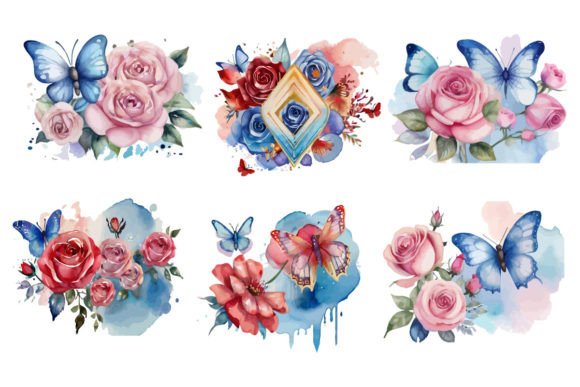
The initial appeal of the Watercolor Butterfly Rose PNG Design lies in its delicate balance between botanical realism and artistic interpretation. The mood is undeniably soft and feminine, making it an immediate candidate for personalized gifts and boutique merchandise. However, as an experienced digitizer, I look past the screen preview. A PNG is a raster image, meaning it is composed of pixels rather than vector paths or stitch commands. For embroidery, this file serves as a visual guide or a base for applique design work rather than a ready-to-stitch embroidery file.
Visually, the gradient transitions in the rose petals and butterfly wings suggest complex color blending. In a finished product, achieving this watercolor effect requires strategic use of fill stitch techniques and thread colors that mimic paint washes. The design’s layout is centered and balanced, which is excellent for placement on a sweatshirt embroidery project or the front panel of a tote bag design. It avoids being overly cluttered, allowing the negative space to breathe—a crucial factor when stitching on textured fabrics where too much density can cause puckering.
Real-World Application: The Custom Tote Bag Test
To truly evaluate this asset, I mentally placed it into a current client project: a custom embroidered tote bag for a spring wedding favor line. Tote bags are typically made of canvas or cotton duck, materials that have significant texture and grain. The Watercolor Butterfly Rose PNG Design works beautifully here because the organic shapes of the illustration complement the natural weave of the fabric. Unlike geometric logos that demand perfection, the fluid lines of this watercolor style forgive minor registration shifts that often occur on heavier canvas.
For this specific handmade product, I would utilize the PNG as a reference for creating an applique design. By cutting fabric pieces that match the rose and butterfly shapes and securing them with a running stitch, you preserve the lightweight feel of the bag while capturing the color depth of the original illustration. If attempting to recreate the look entirely with thread, be mindful of stitch density. Canvas can handle moderate density, but layering multiple satin stitch elements to create shading could result in a stiff, bulletproof patch that detracts from the bag's utility. Instead, using lighter fill stitches with varied thread colors will maintain the drape and enhance the perceived value of the commercial embroidery piece.
Navigating Fabric Limitations and Hoop Constraints
While versatile, the Watercolor Butterfly Rose PNG Design requires careful consideration regarding substrate selection. I advise caution when applying this detailed illustration to stretchy knits or performance wear without proper stabilization. The intricate details of the butterfly antennae and rose stamens can easily get lost or distort if the fabric shifts during stitching. For baby embroidery on onesies or stretchy bodysuits, you must use a high-quality cut-away stabilizer and potentially a topping to prevent stitches from sinking into the knit.
Dark fabrics also present a challenge for watercolor aesthetics. Watercolor relies on light passing through layers to create luminosity. On black or navy garments, the design loses its ethereal quality unless you stitch a white underlay base first. This adds significant stitch count and density. For small shop products intended for frequent washing, such as kitchen towels or aprons, ensure the design size is appropriate for your hoop size. Scaling down a complex watercolor illustration too far will result in muddy details where the rose petals merge indistinguishably. Always verify the minimum viable size before committing to a production run.
Critical Considerations for Makers
- Detail Integrity: Assess whether the finest lines in the PNG can be reproduced with your chosen thread weight; 40wt is standard, but 60wt may be necessary for delicate shading.
- Fabric Texture: Avoid highly textured terry cloth or boucle unless using a heavy water-soluble topping, as the subtle gradients of the Watercolor Butterfly Rose PNG Design will disappear.
- Stretch Management: Never hoop stretchy fabric tightly; float it instead to prevent distortion of the symmetrical butterfly wings.
- Color Matching: Digital RGB colors do not perfectly match polyester or rayon thread charts; physically compare thread colors against a printed version of the PNG.
Enhancing Product Value and Customer Trust
For Etsy sellers and creative entrepreneurs, presentation is everything. Using the Watercolor Butterfly Rose PNG Design in printable mockups allows you to gauge customer interest before stitching a single sample. Because the PNG has clean edges and high resolution, it integrates seamlessly into digital product previews. However, transparency builds trust. If you are selling finished items, show photos of the actual embroidery, not just the digital rendering. Customers need to see how the stitch texture interacts with the design.
This illustration elevates brand consistency for shops focusing on cottage-core, vintage, or romantic aesthetics. Whether used as a standalone centerpiece on a pillow cover or as part of a larger holiday embroidery collection, the design signals professionalism when executed correctly. It bridges the gap between digital art and tactile craft. For those selling digital embroidery files derived from this art, clearly communicate that the source is a raster illustration requiring digitizing skills, or provide the pre-digitized version alongside the PNG to cater to different skill levels within your audience.
Practical Designer Notes for Success
Before launching any product featuring the Watercolor Butterfly Rose PNG Design, adhere to these professional best practices to ensure quality and compliance:
- Verify Licensing: Confirm whether your purchase includes commercial rights for both physical products and digital assets. Licensing terms vary significantly between designers.
- Test Stitching: Always run a test sew-out on scrap fabric identical to your final project. Check for gaps between fill areas and outline saturation.
- Stabilizer Selection: Match stabilizer weight to fabric weight. Use tear-away for stable wovens and cut-away for knits to support the design long-term.
- Contrast Check: View your thread selection in natural lighting. Watercolor effects rely on subtle tonal shifts that fluorescent shop lighting can flatten.
- Mockup Accuracy: When creating listings, use realistic textures in your printable mockup so buyers understand the difference between the digital art and the stitched reality.
- File Verification: Since this is a PNG, double-check resolution (DPI) before using it for large-format embroidery projects to avoid pixelation in the digitizing software.
The Watercolor Butterfly Rose PNG Design is a beautiful asset for the thoughtful maker. It offers immense creative potential for custom apparel, nursery decor, and artisan goods, provided it is treated with the technical respect required for translating paint to thread. By understanding its limitations and leveraging its strengths, you can create stunning, sellable embroidery projects that delight customers and stand the test of time.