Ancient Map of the World Watercolor PNG Illustrations
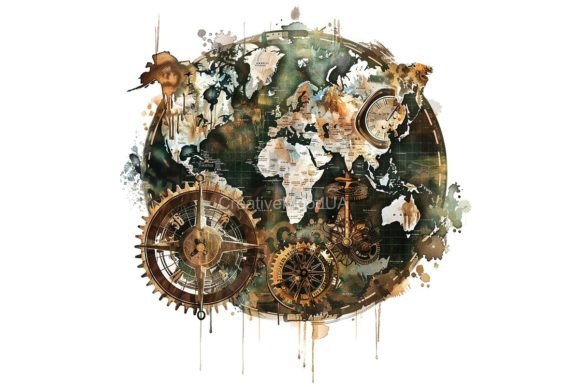
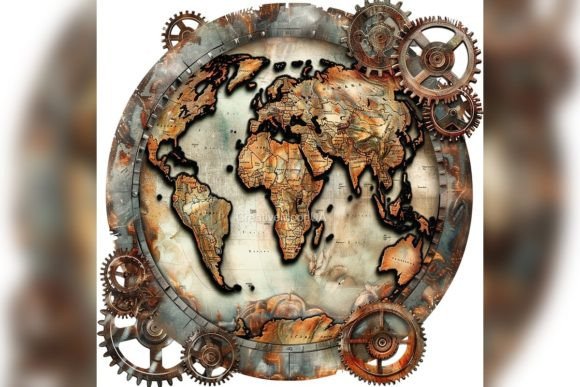
As a digital publisher and blog designer, I constantly evaluate visual assets not just for their aesthetic appeal, but for their functional utility in a real content workflow. When I first opened the Ancient Map of the World. Watercolor PNG, my immediate assessment was that this is more than a decorative element; it is a strategic editorial tool. The watercolor texture provides an organic, hand-painted quality that instantly signals authenticity and historical depth. Unlike sterile vector graphics or generic stock photography, this graphic design asset carries a sense of curated nostalgia. It creates an editorial mood that is scholarly yet accessible, making it particularly effective for niches involving travel history, genealogy, classical literature, fantasy world-building, or heritage crafts. For publishers aiming to build reader trust through high-quality visuals, this illustration bridges the gap between academic rigor and modern lifestyle blogging.
Elevating Editorial Design and Reader Trust
In the current landscape of content marketing, readers make split-second judgments about website credibility based on visual presentation. The Ancient Map of the World. Watercolor PNG excels here because it avoids the polished, artificial look of AI-generated imagery or mass-produced clip art. The visible brushstrokes and paper texture inherent in the file add a layer of tactile reality to digital screens. When I integrate this type of asset into a website header or a featured image, it establishes a brand identity rooted in craftsmanship and attention to detail. This is crucial for affiliate marketing sites or educational blogs where authority is paramount. The soft, muted tones of the watercolor allow for excellent text overlay without sacrificing readability, ensuring that your headlines remain the focal point while the background reinforces the thematic context. This balance is essential for maintaining a strong visual hierarchy that guides the reader’s eye naturally from the image to the content.
Strategic Applications Across Publishing Formats
Versatility is the hallmark of a valuable digital download, and this asset performs exceptionally well across multiple publishing touchpoints. In my own workflow, I have found specific high-impact uses for this map illustration:
- Blog Graphics and Featured Images: Use the map as a textured background for title cards. The irregular edges of the watercolor prevent the design from looking boxy or rigid within modern web design layouts.
- Pinterest Pin Creation: Vertical pins require immediate visual hooks. This asset serves as a perfect container for bold typography, signaling to scrollers that the content is rich, researched, and visually engaging.
- Digital Products and Lead Magnets: If you are creating a digital guide, eBook cover, or printable worksheet, this map adds perceived value. It transforms a simple PDF into a premium-feeling resource that subscribers are eager to download.
- Newsletter Headers: Email clients often strip complex formatting. A clean, pre-composed banner using this map ensures your newsletter maintains brand consistency and visual warmth regardless of the platform.
- Canva Template Foundations: For creative entrepreneurs selling templates, this asset acts as a unique base layer that differentiates your products from competitors using standard library elements.
Optimizing Visual Hierarchy and Click-Through Potential
A beautiful image is useless if it does not support the content's performance goals. The Ancient Map of the World. Watercolor PNG supports better click-through rates by providing clear negative space for messaging. In editorial design, we often struggle with busy backgrounds that fight against headline text. The watercolor wash in this asset naturally fades at the edges, creating organic safe zones for copy. This allows designers to place key information—such as "Ultimate Travel Guide" or "History of Cartography"—directly over the most legible parts of the image. Furthermore, when used consistently across category thumbnails or social media graphics, it builds a cohesive visual language. Regular readers begin to associate this specific artistic style with your brand, improving recognition and loyalty over time. This consistency is a subtle but powerful driver of long-term traffic and engagement.
Navigating Placement Constraints and Mobile Responsiveness
While this asset is powerful, experienced publishers know that context dictates effectiveness. There are specific scenarios where the Ancient Map of the World. Watercolor PNG requires careful handling. On small mobile thumbnails, intricate map details can become muddy or indistinguishable. In these instances, I recommend cropping tightly to focus on a single continent or a specific textural detail rather than showing the full composition. Additionally, avoid using this asset on websites with extremely dark modes or high-contrast neon aesthetics, as the delicate watercolor nuances will be lost. It is also less suitable for hyper-corporate B2B content or tech-focused niches where a sleek, minimalist vector style is expected. Always preview the asset within your actual blog layout before publishing. What looks stunning in a design file may need opacity adjustments or color grading to harmonize with your existing CSS and font choices.
Technical Workflow and Licensing Considerations
Before integrating any creative design asset into a monetized project, due diligence is non-negotiable. As a publisher, I always verify the commercial license terms to ensure the asset can be used on affiliate pages, ad-supported blogs, or paid digital products without legal risk. Beyond licensing, technical optimization is vital for web performance. Watercolor PNGs can be deceptively large files due to the complexity of the texture. I strongly advise running the file through a lossless compression tool like TinyPNG or ShortPixel before uploading. Aim to keep featured images under 150KB to maintain fast load times, which directly impacts SEO rankings and user retention. Test the image in grayscale to ensure it remains effective for accessibility users or print versions of your content. Finally, pair this illustration with complementary typography; serif fonts enhance its classical feel, while clean sans-serifs create a striking modern-traditional contrast that defines contemporary editorial design.
Final Verdict for Content Creators
The Ancient Map of the World. Watercolor PNG is a robust addition to any digital publisher’s asset library. It solves the common problem of finding historical visuals that do not look dated or overly academic. By blending artistic charm with functional design space, it supports everything from viral Pinterest pins to premium lead magnets. For bloggers and marketers willing to invest time in proper optimization and thoughtful placement, this illustration offers a significant return in brand elevation and audience connection. It is not merely a picture of a map; it is a foundational element for storytelling that invites readers to explore, learn, and trust the content presented before them. Whether you are building a niche history site or adding flavor to a travel affiliate blog, this asset delivers the professional polish necessary to stand out in a crowded digital marketplace.